The farm runs on one person's memory
Your supervisor knows which zone was watered, which block was sprayed, and who did it. The day he's out, the farm slows down.
AgriDaftar ERP
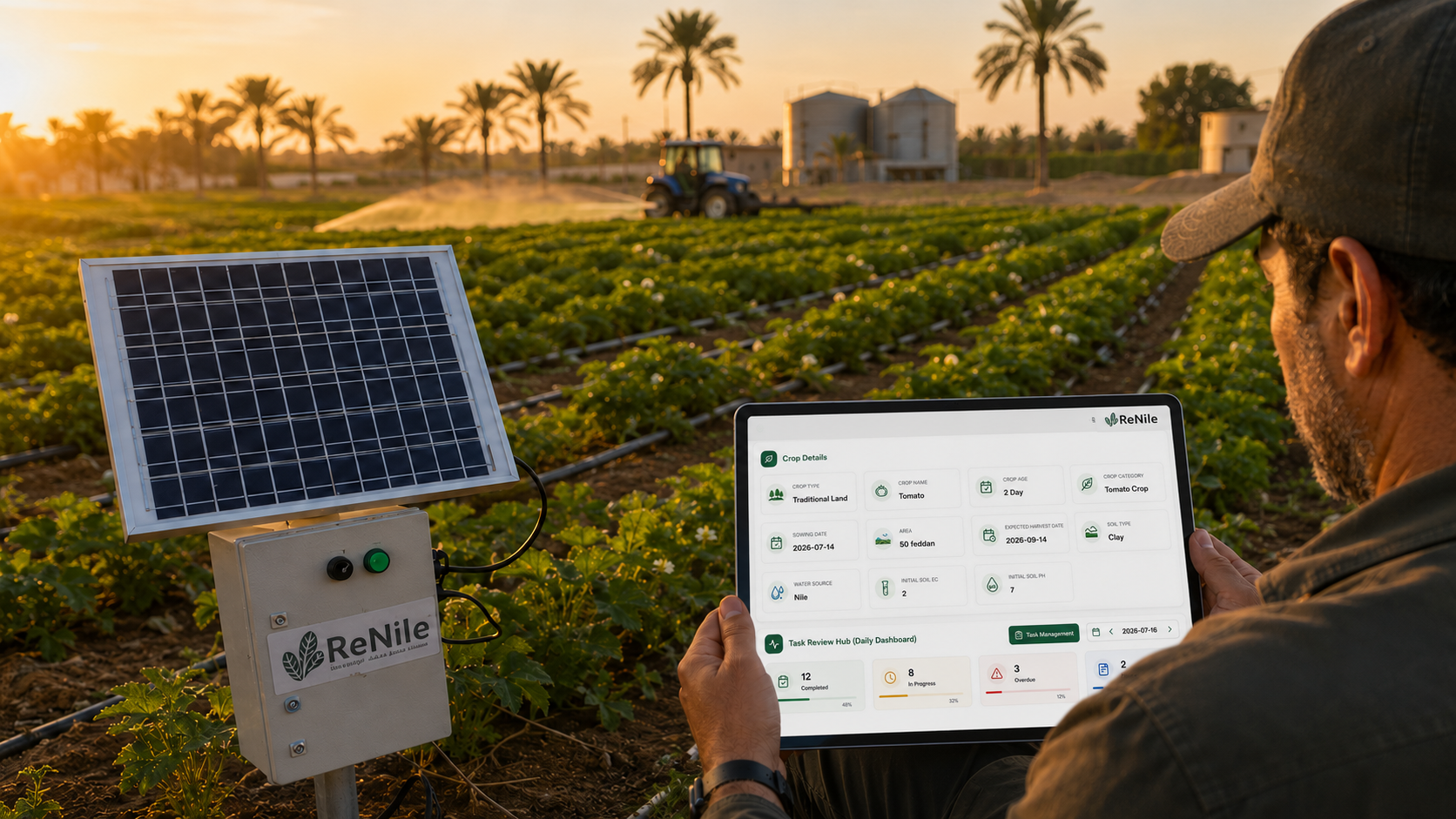
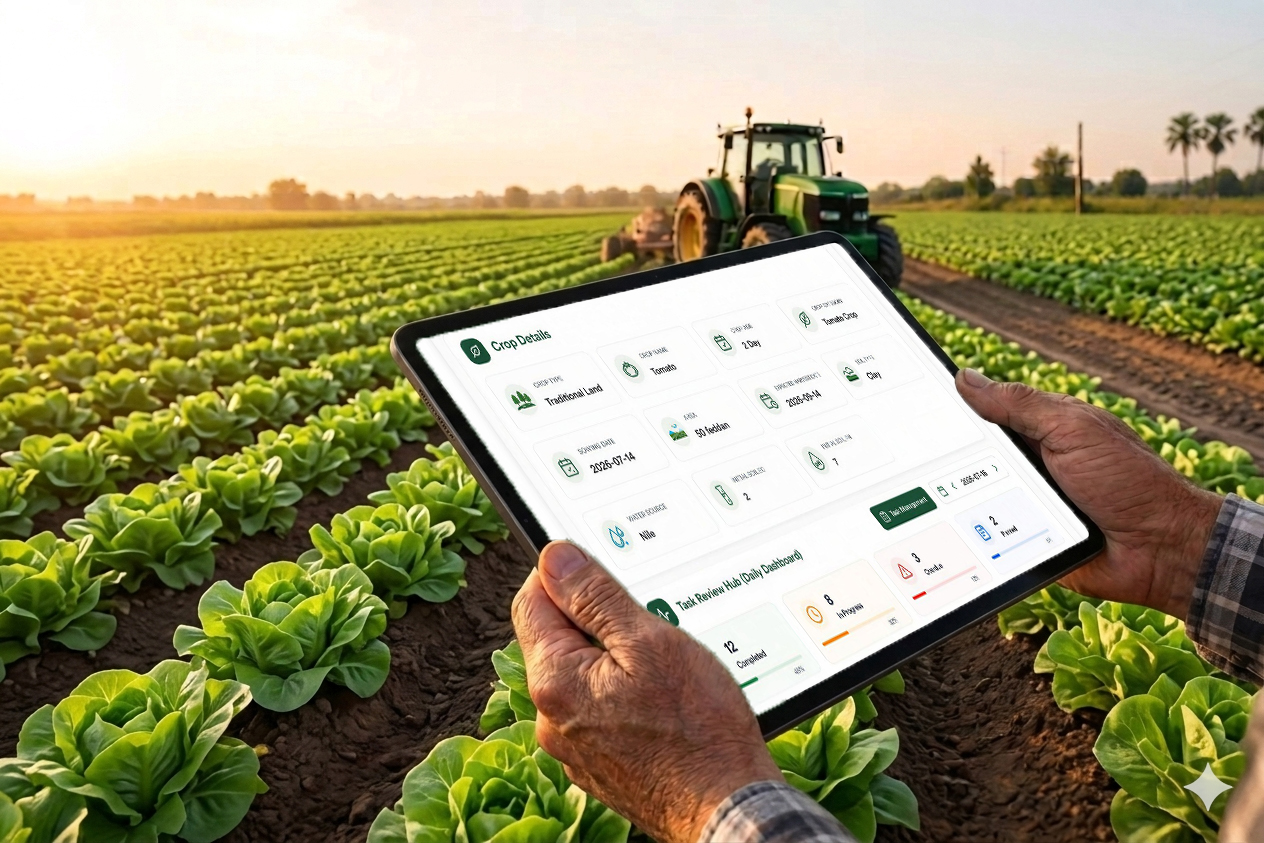
AgriDaftar is the operating record for the whole farm what got done, who did it, and what it cost. It runs on its own, from day one.
Request a DemoPaper logs and oral reports create operational blindspots. Keep a unified database that keeps itself sorted.
Your supervisor knows which zone was watered, which block was sprayed, and who did it. The day he's out, the farm slows down.
Costs get totalled when the season closes. By then, the decision that would have saved the money is months behind you.
A task handed out in a conversation gets forgotten. No one knows who was holding it, or what it delayed downstream.
Last year lives in scattered sheets, WhatsApp threads, and people's heads. Nothing carries forward so mistakes repeat.
None of these look like a crisis on the day they happen. They compound quietly, and by the time anyone can see them, the season is already priced.
Your supervisor knows which zone was watered, which block was sprayed, and who did it. None of it is written anywhere. The day he's out, the farm slows to the speed of phone calls.
Costs get totalled when the season closes. By then the decision that would have saved the money is months behind you, and all you can do is record the result.
A task was handed out in a conversation. It didn't happen. Now nobody can say who was holding it, how long it has been sitting, or what it delayed downstream.
Last year lives in scattered sheets, WhatsApp threads, and people's heads. Nothing carries forward so the same mistake gets paid for twice.
All four end in the same place: decisions made on estimates instead of numbers.
Every farm has to answer both what got done, and what it cost. Keeping them in separate places is exactly what makes them disagree.
Decisions made on verified operational numbers, not approximations. Seamless tracking of inputs, assets, labor, and crop cycle margins.
Every farm has to answer both what got done, and what it cost. Keeping them in separate places is exactly what makes them disagree.
Zones and blocks laid out logically the way the land is actually worked.
Each crop registered with its stage, dates, and area as a cycle you can analyze.
Work assigned to a named person, with a due date and a status the whole operation sees.
Irrigation, spraying, fertilising, and harvest planned ahead instead of one day at a time.
Sites, zones, and blocks laid out the way the land is actually worked not the way a spreadsheet wants them.
Each crop registered with its stage, dates, and area, as a cycle you can close and then compare against the next one.
Work assigned to a named person, with a due date and a status the whole operation can see.
Irrigation, spraying, fertilising, and harvest planned ahead instead of called out one day at a time.
What was observed, where, and when searchable months later instead of half-remembered.
Inputs, labour, water, energy, and maintenance accumulating while the season is still running.
Every expense attached to the crop and the piece of land that actually caused it.
Pumps, pivots, vehicles, and equipment carried at real value, so the cost of running them isn't invisible.
Plan on what last season genuinely cost, rather than on what everyone remembers it costing.
Nothing to install in the field and no technical background needed. The record grows out of the ordinary working day.
Step 1
Sites, zones, crops, and cycles set up the way you actually work the land.
Step 2
Tasks go to named people and get closed when they're done. The record is the book.
Step 3
Read exact costs per feddan, per cycle, per crop. Real numbers, not estimates.
Nothing to install in the field and no technical background needed. The record grows out of the ordinary working day.
Sites, zones, crops, and cycles set up the way you actually work the land. Done once, at the start.
Tasks go to named people and get closed when they're done. Nobody keeps a second book on the side the record is the book.
Cost per feddan, per cycle, per crop. What's overdue and with whom. What last season really cost. Read, not estimated.
We review your crop layout, irrigation and operational setup to map out reports, alerts, and schedules that can reduce overheads on day one.