

Climate Risk
Temperature and humidity can shift in ways that are not visible to growers. By the time their effects become apparent in the crop, water demand, growth, and quality may already have been adversely affected.
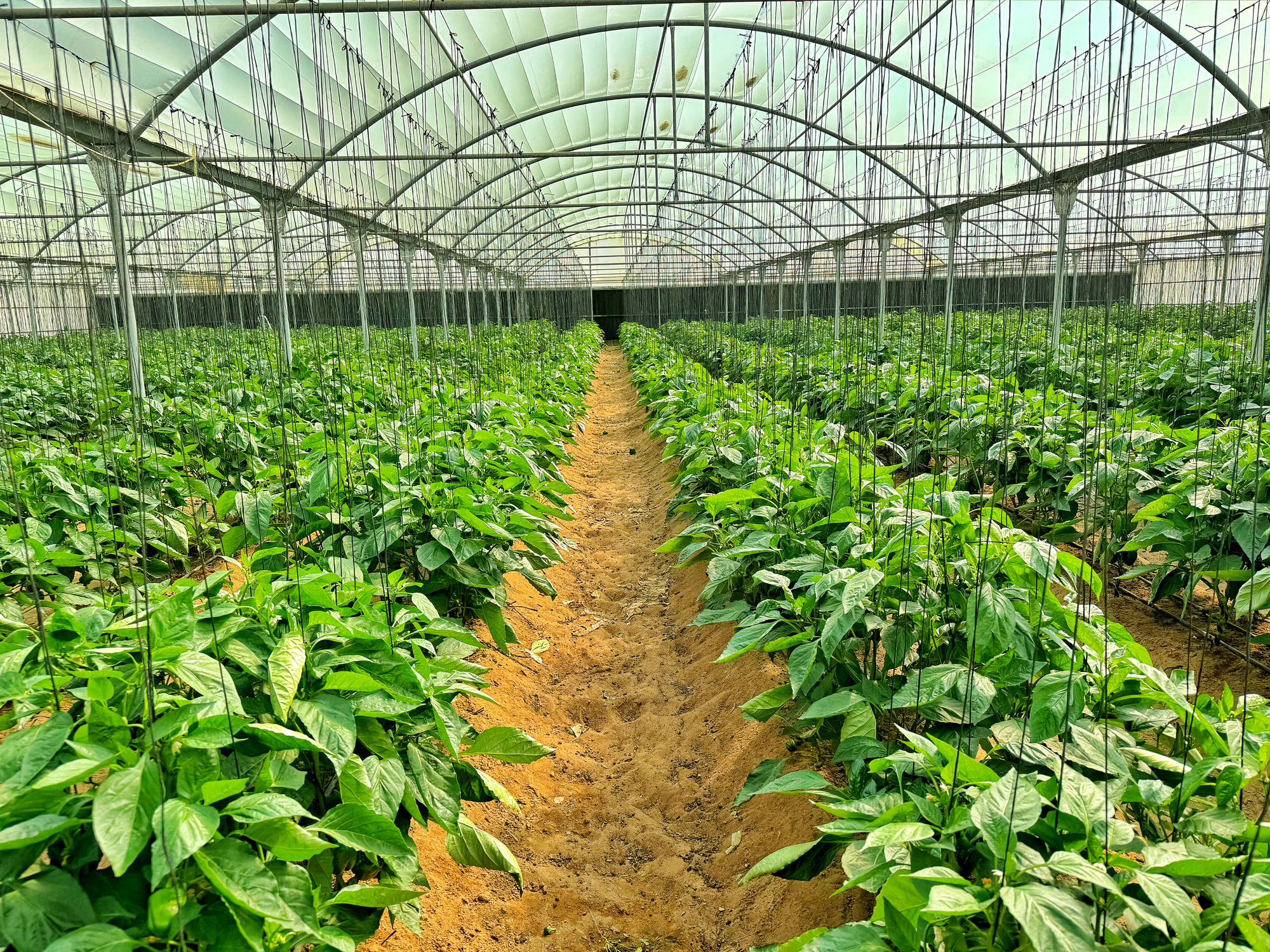
Smart greenhouse monitoring and control
Detect changes early, respond faster, reduce resource waste, and maintain more consistent crop quality and production.
ReNile brings indoor and outdoor climate data, root zone conditions, irrigation performance, and fertigation delivery into one live view so you can catch problems earlier, reduce avoidable waste, and protect crop consistency and marketable quality.
Temperature and humidity can shift in ways that are not visible to growers. By the time their effects become apparent in the crop, water demand, growth, and quality may already have been adversely affected.
Leaks, clogged irrigation lines, pressure changes, or inaccurate run times can create an imbalance between water distribution and plant needs—leading to water waste, uneven growth, root rot, or wilting.
Moisture, EC, pH, and root zone temperature can move off target without obvious signs, leading to salt buildup, poor nutrient uptake, and inconsistent crop quality.
When dosing, flow, EC, or pH leave the crop’s optimal range, irrigation can deliver an unbalanced nutrient solution wasting fertilizer and affecting uptake, uniformity, and quality.
Greenhouse performance is shaped by connected conditions, not isolated readings. ReNile brings the key measurements together so operators can see what changed, where it happened, and what needs attention.
Inside the greenhouse
Track temperature, humidity, CO₂, and light conditions that influence crop water demand, development, and quality.
Around the active roots
Track moisture, salinity, temperature, and pH across the active root zone, whether crops are grown in soil or growing media.
From source to root
Verify irrigation reaches each monitored line and zone as planned, and detect abnormal flow or pressure before it causes uneven growth or avoidable waste.
Delivered with irrigation
Track nutrient solution delivery and detect changes in EC, pH, injection, or dosing before they affect root zone conditions and crop performance.
ReNile turns live greenhouse data into a clear operating workflow from monitoring conditions and detecting abnormal changes to guiding the response and improving future decisions.
View climate, root-zone, irrigation, and fertigation conditions across greenhouses and growing zones from one platform.
Receive alerts when readings move outside the configured ranges for the crop, growth stage, and growing system, or when flow, pressure, and runtime patterns indicate abnormal operation.
Use the alert and related readings to guide adjustments to irrigation, fertigation, ventilation, cooling, or compatible connected equipment.
Review trends across greenhouses, growing zones, and time periods to identify recurring weak points and improve operating routines.
ReNile combines specialized monitoring systems in one platform, configured around the crop, greenhouse design, irrigation setup, and daily operating routine.
Continuous monitoring of temperature, humidity, CO₂, and light, with alerts when growing conditions move outside configured ranges.
Track moisture, temperature, EC, and pH at representative points within the active root zone in soil or growing media helping irrigation and fertigation decisions reflect measured root zone trends.
Track water flow, line pressure, irrigation duration, nutrient solution EC and pH, and dosing events to flag likely delivery or dosing deviations and reduce avoidable water and fertilizer losses.
Track outside temperature, humidity, solar radiation, wind, and rainfall to anticipate conditions that may affect greenhouse climate, ventilation and cooling demand, and crop water use.
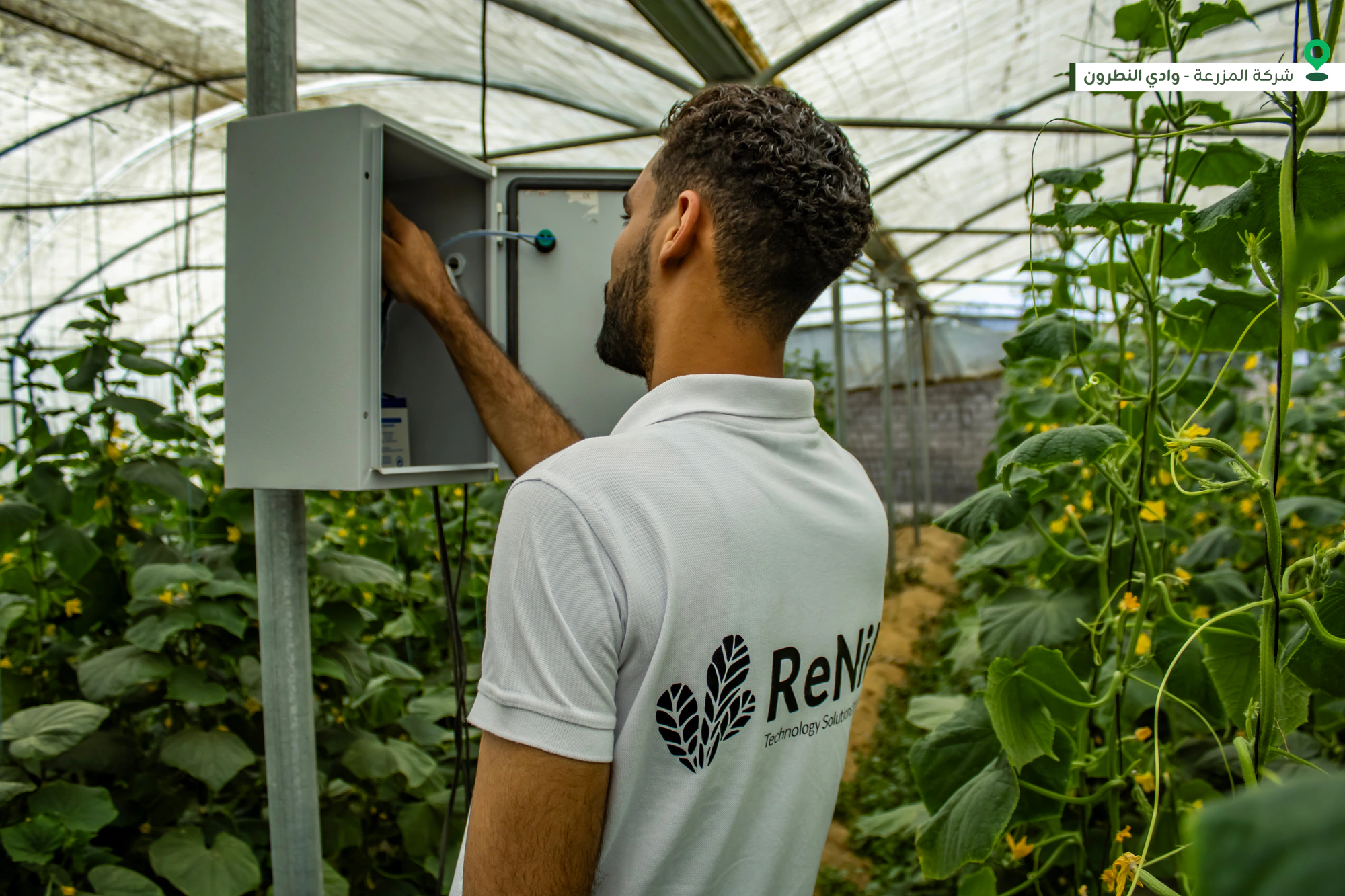
Connect daily greenhouse decisions to the business outcomes that matter: resource efficiency, production consistency, and return on investment.
up to 28%
Target water-use reduction
Better irrigation timing, leak detection, and root-zone visibility can help reduce unnecessary water use.
up to 14%
Target production consistency improvement
More stable conditions and faster intervention can help reduce variation between greenhouses and production cycles.
~7 months
Target payback period
Potential savings from water, energy, fertilizer, manual checks, and avoidable crop losses may accelerate the return on investment.
1 view
Connected operating visibility
Bring climate, irrigation, fertigation, root-zone, and local weather signals into one daily greenhouse view.
Focus attention on the changes most likely to affect crop quality, operating cost, and consistency across greenhouses.
Identify changes in climate and root-zone conditions that may affect crop uniformity, appearance, size, or quality before the impact spreads across the greenhouse.
Detect wasted water, fertilizer, and energy caused by leaks, incorrect schedules, pressure problems, or repeated manual adjustments.
Compare growing zones, greenhouses, and time periods to identify recurring problems and build more consistent operating routines.
We review your crop, greenhouse layout, irrigation and fertigation setup, and current monitoring gaps. Then we map the measurements, alerts, and optional controls that can reduce the highest-value risks in your operation.
