Detect water quality issues early to protect fish health, optimize growth, improve survival rates, and prevent production losses
ReNile continuously monitors your ponds 24/7, detects dangerous water changes in real time, instantly alerts your team, and can automatically activate aerators before fish losses occur.
Request a DemoAquaculture intelligence
Detect water quality issues early to protect fish health, optimize growth, improve survival rates, and prevent production losses
ReNile continuously monitors your ponds 24/7, detects dangerous water changes in real time, instantly alerts your team, and can automatically activate aerators before fish losses occur.
Water problems can start costing you before you see the warning signs
Water conditions can change between manual checks, especially overnight. Falling oxygen, changing temperature, harmful nitrogen compounds, or equipment faults may affect feeding, growth, and survival before fish behaviour reveals the cause.
Water problems can start costing you before you see the warning signs
Water conditions can change between manual checks, especially overnight. Falling oxygen, changing temperature, harmful nitrogen compounds, or equipment faults may affect feeding, growth, and survival before fish behaviour reveals the cause.
See Water Quality Changes Before They Affect Your Fish
Manual checks can miss the moment a problem starts. Oxygen may drop, temperature may change, or equipment may stop especially at night while the fish still look normal. By the time you notice the signs, feeding, and growth, may already be affected.
Oxygen Can Fall Between Inspection Rounds
Keep pH, EC, and temperature readings clear and visible at all times, so you can act before changes affect fish health.
See Water Quality Changes Before They Affect Your Fish
Oxygen Can Fall Between Inspection Rounds
Manual checks can miss the moment a problem starts. Oxygen may drop, temperature may change, or equipment may stop especially at night while the fish still look normal. By the time you notice the signs, feeding, and growth, may already be affected.
Keep pH, EC, and temperature readings clear and visible at all times, so you can act before changes affect fish health.
CRITICAL WATER READINGS
Oxygen & Temperature
Track the readings most closely connected to breathing, feeding, activity, and immediate stress. See changes as they happen, not only during manual checks.
- Dissolved Oxygen
- Water Temperature
Water Conditions
Monitor the readings that shape the overall water environment, spot changes early before they develop into fish health or production problems.
Key water readings. One clear view of fish performance.
Fish performance depends on more than one water reading. ReNile brings the key measurements together in one live view, so operators can spot changes early, understand the risk, and act before production is affected.
Key water readings.One clear view of fish performance.
Fish performance depends on more than one water reading. ReNile brings the key measurements together in one live view, so operators can spot changes early, understand the risk, and act before production is affected.
Critical water readings
Oxygen & Temperature
- Dissolved Oxygen
- Water Temperature
Track the readings most closely connected to breathing, feeding, activity, and immediate stress. See changes as they happen, not only during manual checks.
Core water readings
Water Conditions
Monitor the readings that shape the overall water environment, spot changes early before they develop into fish health or production problems.
Catch water problems before they affect your fish
ReNile turns live water data into clear actions helping you detect problems early, respond faster, and improve every production cycle
- 1
Monitor
View oxygen, temperature, water chemistry, flow, water level, and equipment status across ponds and tanks from one platform.
- 2
Detect
Receive alerts when readings move outside configured ranges, change abnormally, or indicate that connected equipment is not operating as expected.
- 3
Respond
Inspect the affected pond, adjust aeration or water exchange, and activate connected pumps or aerators when immediate action is required.
- 4
Improve
Compare alerts, equipment runtime, water conditions, and production cycles to identify recurring risks and improve operating routines.
Catch water problems before they affect your fish
ReNile turns live water data into clear actions helping you detect problems early, respond faster, and improve every production cycle
Monitor
View oxygen, temperature, water chemistry, flow, water level, and equipment status across ponds and tanks from one platform.
Detect
Receive alerts when readings move outside configured ranges, change abnormally, or indicate that connected equipment is not operating as expected.
Respond
Inspect the affected pond, adjust aeration or water exchange, and activate connected pumps or aerators when immediate action is required.
Improve
Compare alerts, equipment runtime, water conditions, and production cycles to identify recurring risks and improve operating routines.
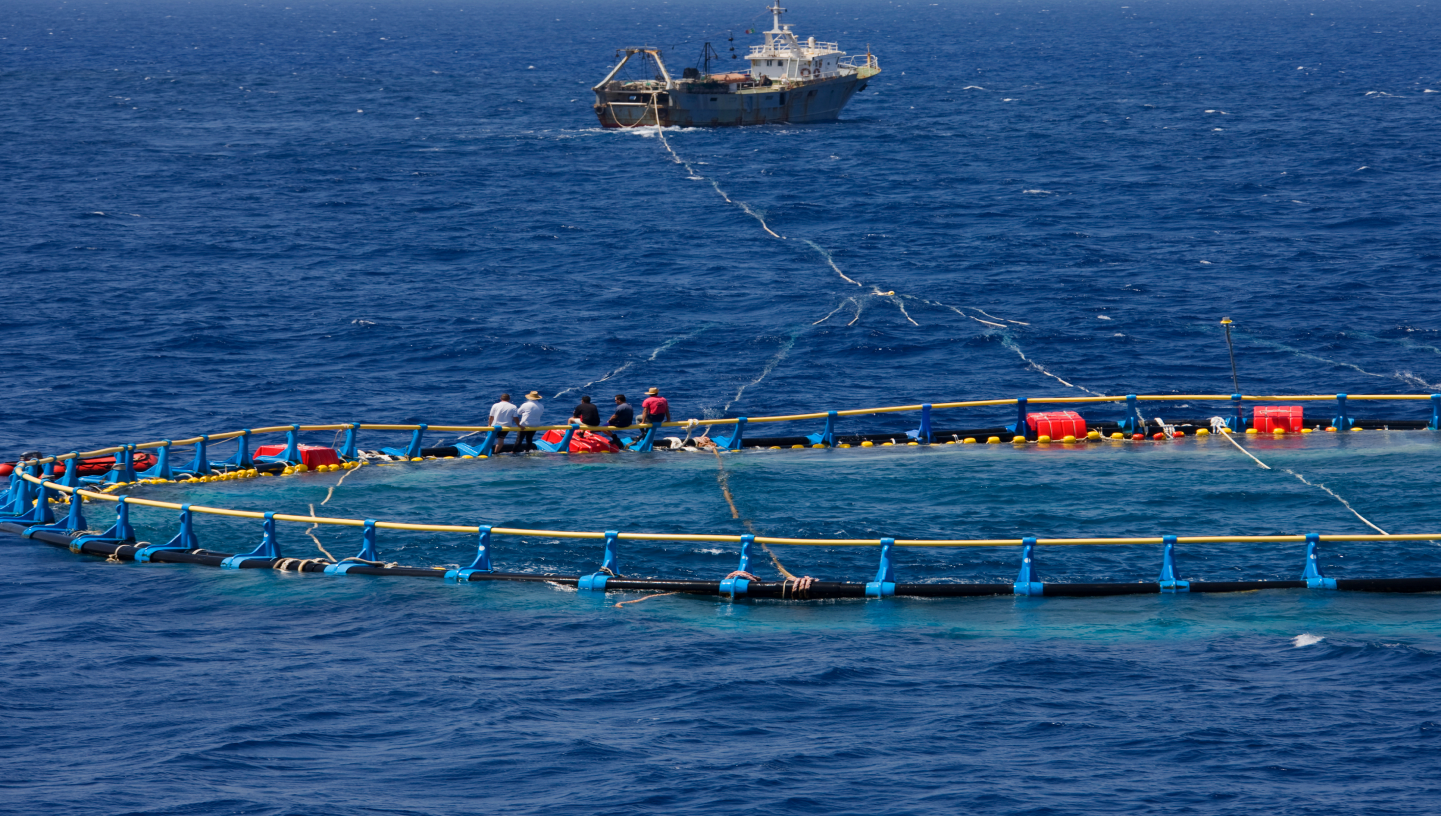
Protect more fish, reduce emergency losses, and operate with clearer control
The value comes from seeing risk earlier, directing the response to the right pond, and connecting water conditions with equipment performance.
Protect More Fish
Reduce the risk of sudden changes turning into large scale losses.
Manage More With Less Effort
Oversee more ponds and sites without depending on constant checking rounds.
Support More Stable Production
Maintain better conditions for feeding, growth, and consistent cycle performance.
Maintain Safe Oxygen Levels
Help keep oxygen within a safer range to protect fish from stress and sudden losses.
Protect more fish, reduce emergency losses, and operate with clearer control
The value comes from seeing risk earlier, directing the response to the right pond, and connecting water conditions with equipment performance.
Reduce the risk of sudden changes turning into large scale losses.
Oversee more ponds and sites without depending on constant checking rounds.
Maintain better conditions for feeding, growth, and consistent cycle performance.
Help keep oxygen within a safer range to protect fish from stress and sudden losses.
Ready to take clearer control of your fish farm?
Join 300+ clients using ReNile aquaculture solution to monitor water conditions in real time, respond early to oxygen risks, reduce losses, and improve farm profitability.
Ready to take clearer control of your fish farm?
Join 300+ clients using ReNile aquaculture solution to monitor water conditions in real time, respond early to oxygen risks, reduce losses, and improve farm profitability.
Request a Demo